

ⒾMachine translations by Deepl
Critical commentary by Privacy First on the draft proposal for the National Security Protection Act
The current Intelligence and Security Services Act is at risk of being replaced by an even more far-reaching “National Security Protection Act”. Privacy First is sounding the alarm.
Critical online consultation
Privacy First has long monitored legislation relating to the Dutch intelligence and security services (secret services) critically and, where possible, influenced it positively through our quiet diplomacy, political lobbying and legal proceedings (including our previous coalition case Citizens vs Plasterk). This legislation has recently returned to the top of our agenda, as the current Intelligence and Security Services Act (dating from 2017) is in danger of being replaced by a downright draconian “National Security Protection Act”. In a recent internet consultation Privacy First and various other organisations have submitted critical comments and raised numerous fundamental objections to the current draft bill.
Mass surveillance
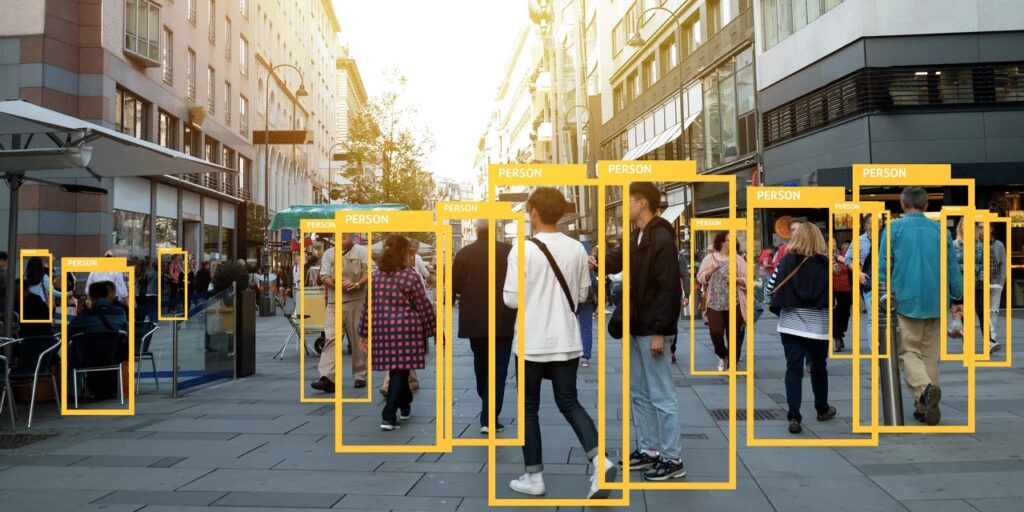
The draft bill contains a very extensive expansion of existing powers, coupled with a restriction of existing safeguards and oversight. The necessity and proportionality of various powers are not demonstrated. Of particular concern are the powers to carry out large-scale internet surveillance and to use bulk data (obtained in this way). In many cases, the powers are also insufficiently limited and specified, meaning that, in their current form, they will not meet the requirements of foreseeability necessary to legitimise the numerous restrictions on the right to privacy. Large-scale mass surveillance is therefore on the horizon.
Draft bill needs to be revised
The balance between privacy and the stated national security objectives in the draft bill has strayed so far from the fundamental right to privacy that the bill itself could come to pose a threat to the democratic rule of law and the democratic process. The current draft bill therefore amounts, in the words of the European Court of Human Rights, to “destroying democracy on the pretext of defending it”. The current proposal must therefore be withdrawn or thoroughly revised.
Privacy First comments
In our latest commentary from Privacy First, we raise concerns and objections regarding the following topics in particular:
- special (sensitive) personal data
- automation, AI and algorithms
- blacklists of outlaws targets (new “regime of opponents”)
- OSINT and the procurement of bulk data
- bulk data interception and retrieval
- hacking capability
- retrieval of data
- international data exchange
- criminal offences
- duty to notify
- persons entitled to relief
- active transparency
- informants
- right to complain
- the Defence Readiness Act
- war propaganda
- peaceful use of outer space.
Read HERE our full comments (external version, PDF), also submitted on internetconsultation.co.uk.
Privacy First hopes that both the AIVD and the MIVD, as well as the relevant ministries and ministers, will take our criticism and recommendations on board.
To be continued.
